Phase I
Clinical Trial
Evaluating the safety, tolerability, and impact of IGC-AD1, a novel oral THC-melatonin therapy, on neuropsychiatric symptoms in Alzheimer's disease.
Safe, well-tolerated and may reduce agitation and
caregiver distress in Alzheimer’s disease.
Objective
Overall NPS Reduction
(max 121) Caregiver distress, and Neuropsychiatric Symptoms (NPS), including agitation, anxiety, and depression improved.
Objective
Overall Safety: Not Black Boxes Warnings
IGC-AD1 is safe and tolerable at three different dosage levels.
Double-blind study evaluating multiple dose levels of IGC-AD1.
(max 180) Mild-to-moderate Alzheimer’s patients randomized to receive ascending doses of IGC-AD1 or placebo for 14 days, with comprehensive assessment of safety and symptom changes
Study design
(max 118) Recall the MAD, three-cohort design, participant numbers (active vs. placebo), duration, and washout periods.
Demographics
Female: 69.2%
Male: 30.8%
Mean Age: 80.5 ± 5.7 years
Mean Weight: 147.7 ± 31.6 lb
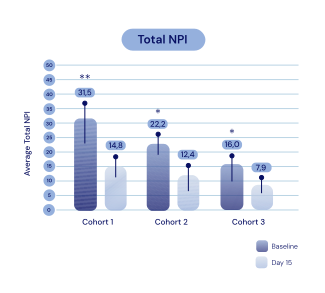
Results on NPS
Neuropsychiatric Symptoms Measured by NPI Scores
Patients taking IGC-AD1 intervention showed an overall improvement in NPS. Caregiver distress improved as well.
Results on Agitation
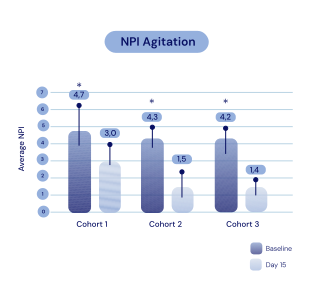
At all three dosages, agitation improved both clinically and statistically (p <0.05)
Key Outcomes Phase I- Clinical Trial
(max 139) Safety profile: No serious adverse events; IGC-AD1 was well tolerated across CYP2C9 genotypes, with no induced suicidal ideation.
(max 139) Caregiver distress decreased: NPI-D scores reduced by 55% in active group, 33% in placebo; potential for easing care burden.
(max 139) Reduction in agitation: Active group showed a 36% decrease in NPI Agitation scores versus 0% in placebo, suggesting clinical benefit.
Events and Conferences
Conference Name
Conference Name
Conference Name
Conference Name
Conference Name
Neuroinflammation, Aβ Plaques, Neurofibrillary Tangle
Is an oral investigational therapy combining two natural source actives. Intended to help control Alzheimer’s-related agitation by modulating neuroinflammation and reducing oxidative stress.
- Modulation of neuroinflammation and reduction of oxidative stress.
- Supporting celular metabolic homeostasis and age-related preservation of central nervous system (CNS) cells.
- Modulation of neuronal metabolism and neurotransmission.
- Demonstrated safety and tolerability.
- Indicated reduction in neuropsychiatric symptoms in Alzheimer’s patients.
- Efficacy on agitation in Alzheimer’s.
- Efficacy on improvement in cognition due to Alzheimer’s.
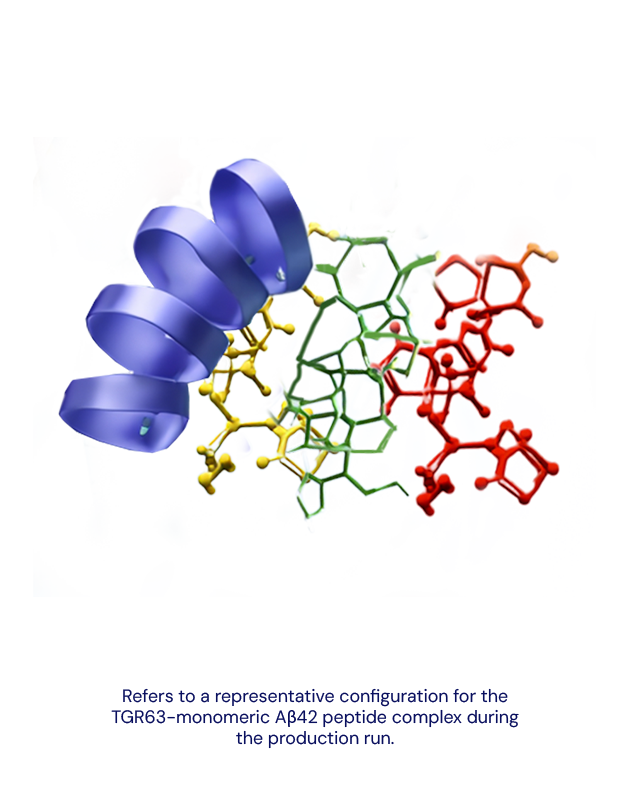
An NMI small-molecule amyloid modulator that inhibits Aβ aggregation and reduces plaque burden, showing cognitive improvement signals in animal models
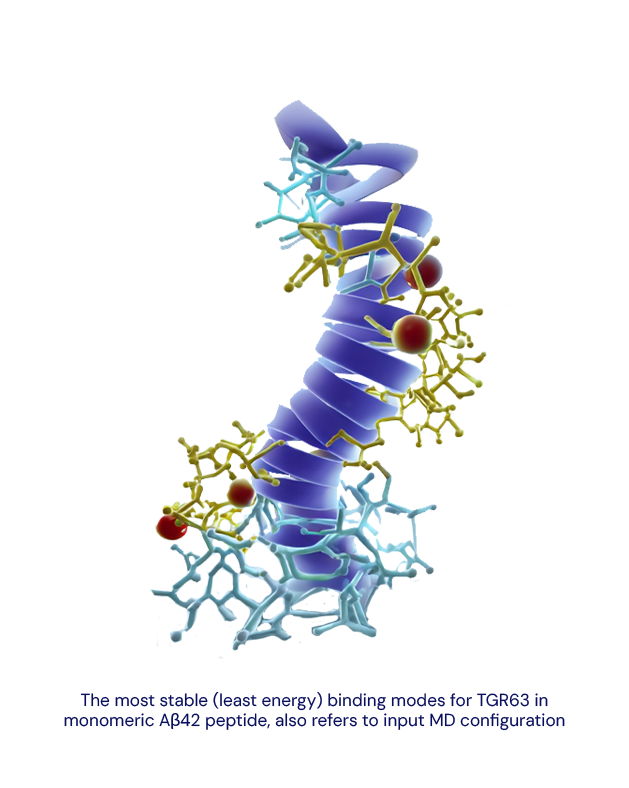
- Decreased plaque aggregation
- Disrupts structure of Aβ peptide
- Blood brain barrier permeability test
- Improved memory and learning capacity in mice models of Alzheimer’sn
A multifunctional NMI-based, Zn-chelating molecule that inhibits tau LLPS and reduces early tau aggregation.
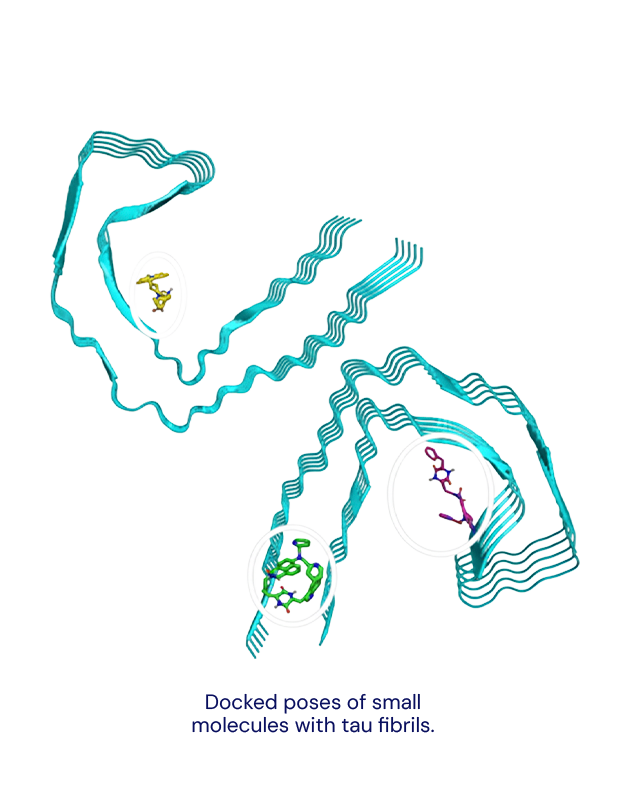
- Prevent tangle formation in vitro.
- Decrease Tau oligomer formation
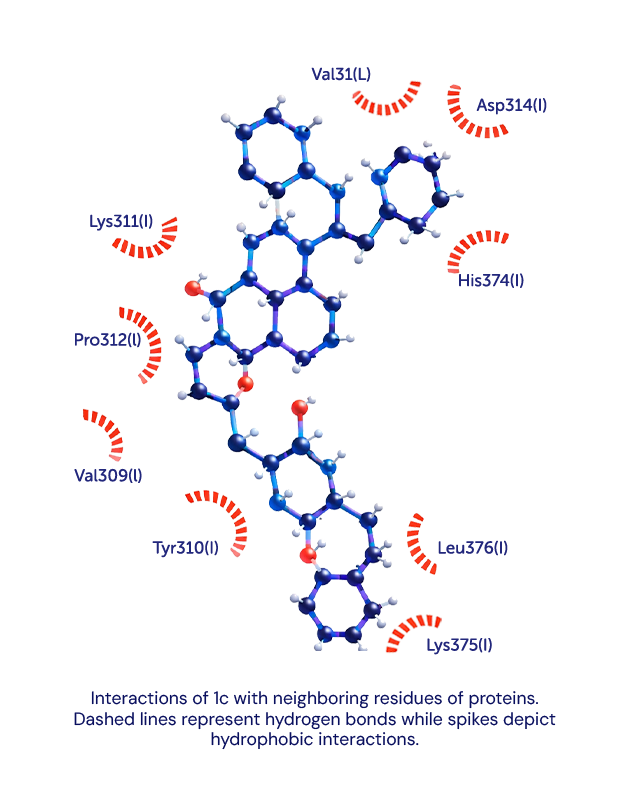
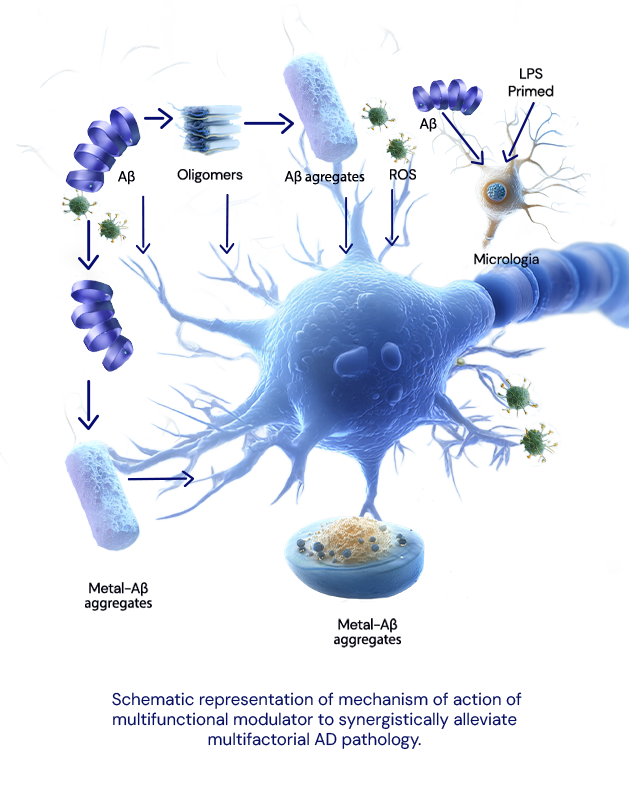
A multifunctional NMI-based modulator with metal chelation and antioxidant/anti-inflammatory activity to inhibit/disrupt Aβ42 and reduce oxidative stress and neuroinflammation.
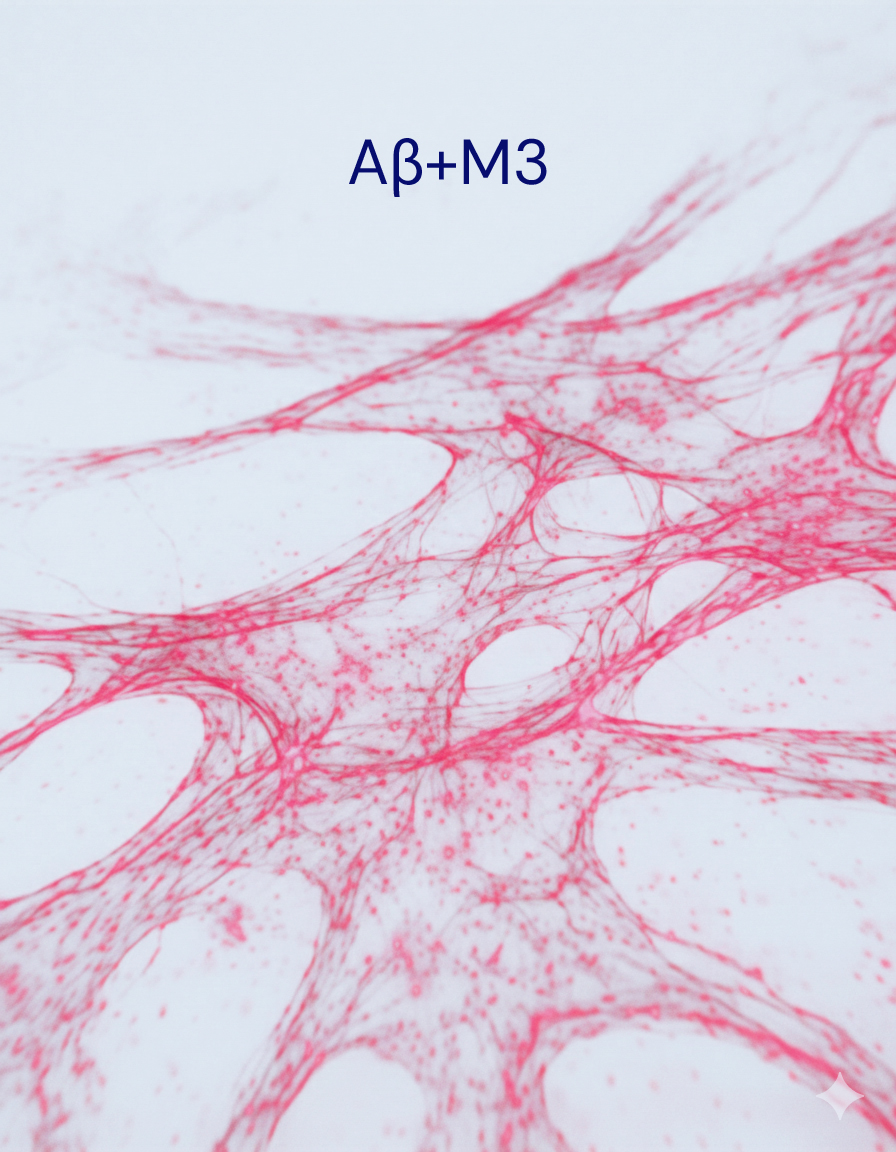
- Demonstrated in vitro capacity to decrease plaque and tangle formation
- Improved mitochondrial function
A prodrug small-molecule family designed to modulate neuroinflammation via modulate neuroinflammation vía disease-relevant inflammatory pathways, supporting management oft of Alzheimer’s agitation symptoms.
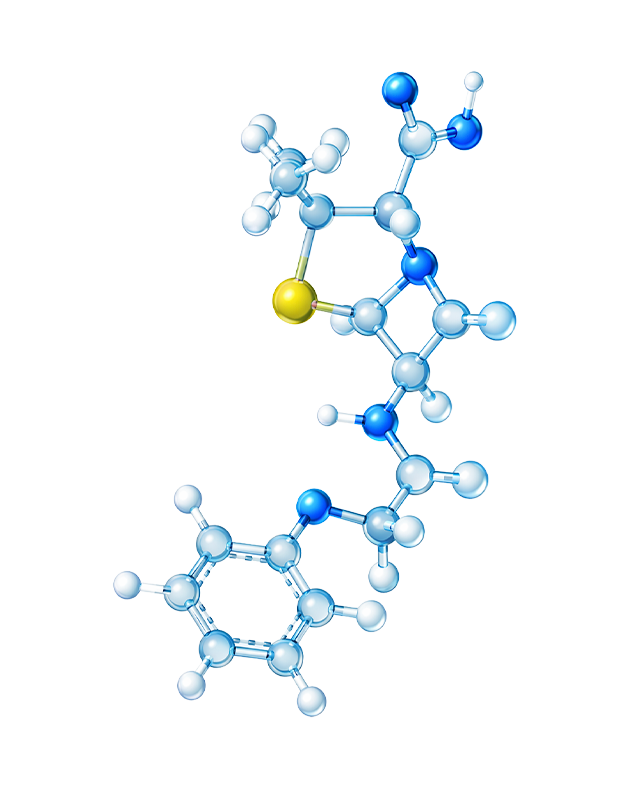
- In vitro hydrolysis assay
- Bioequivalence assay