We use marketing and advertising technologies, including:
- Meta/Facebook Pixel (cookie: _fbp)
- Google DoubleClick / Google Ads services
- HubSpot tracking cookie (cookie: _hubspotutk)
- Pixelyoursite: (pys_fb_pixel_traffic_source)
These cookies and pixels allow us to:
- Deliver personalized advertisements.
- Measure campaign effectiveness.
- Track user interactions across websites (profiling).
Key considerations:
- They may involve data sharing with third-party platforms.
- They enable cross-site tracking and user profiling.
- They are subject to strict regulatory requirements and require explicit prior consent (opt-in).
You may opt out of these cookies at any time. Disabling them will not affect core site functionality but may limit personalized experiences.
Third-Party Integrations and External Services
Our website integrates services provided by third parties, including but not limited to:
- Analytics & Advertising: Google Analytics, Google Tag Manager, DoubleClick
- Marketing & CRM: HubSpot, ConvertKit, Mailchimp
- User Experience & Tracking: Hotjar
- Social Media Integrations: Facebook, Reddit
- Accessibility Services: Userway
These services may:
- Process personal data outside of our direct control.
- Transfer information to external jurisdictions.
- Introduce third-party dependencies and potential security risks.
We ensure that:
- Each integration is assessed based on necessity and proportionality.
- Vendors are evaluated under Third-Party Risk Management practices.
- Security measures such as Content Security Policy (CSP) are implemented to restrict unauthorized domains.
Your Privacy Rights
Depending on your jurisdiction, you may have the right to:
- Access, correct, or delete your personal data.
- Opt out of the sale or sharing of your data.
- Withdraw consent for non-essential cookies at any time.
To exercise these rights, please use the cookie management tool available on this site or contact us directly.

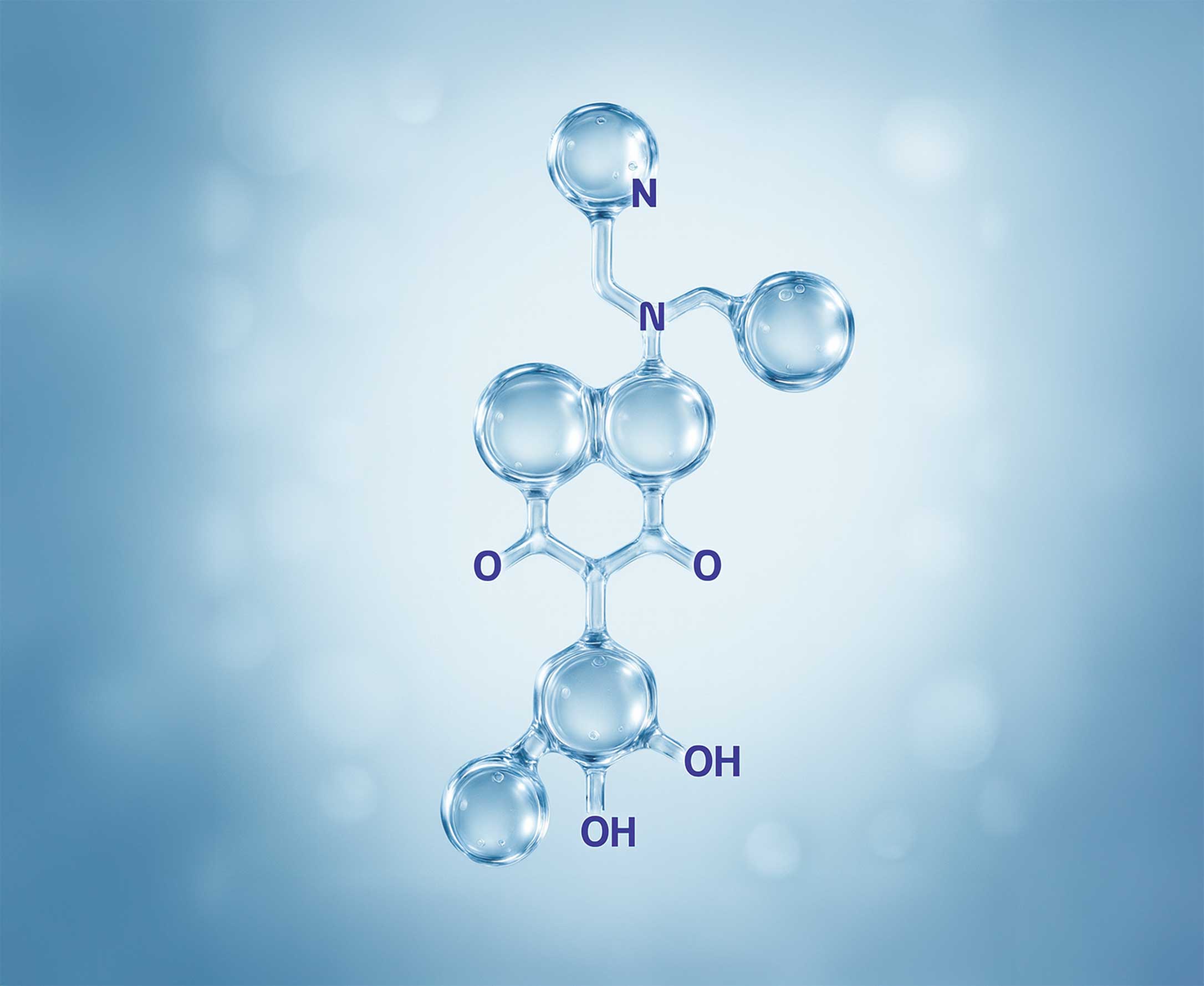
 Inhibits amyloid aggregation: Helps prevent the formation of harmful plaques in the brain.
 Reduces existing amyloid aggregates: Promotes disassembly and clearance of toxic amyloid species.
 Neutralizes oxidative stress: Protects neurons by counteracting damaging reactive oxygen species.
 Preserves mitochondrial function: Maintains healthy energy production within brain cells.
 Mitigates neuroinflammation: Modulates the celular signals linked to chronic brain inflammation.