
By: Shaimaa Hammett,
Former Clinical Trial Intake Navigator.
In recent times, “Gut microbiome” or “Gut Health” have been prominent buzzwords on social media. But most people don’t truly understand what it is and how it can impact our health. Within the human gut microbiota, there can be 10-100 trillion symbiotic microbial cells 1. While human genomes are 99.9% alike, microbiomes can differ by up to 80%-90% between individuals, highlighting their role in personalized medicine. The microbiome is influenced by factors such as diet, antibiotics, environment, and even birth delivery ¹.
These gut microbes don’t just sit in your body; however, they play key roles in allowing our body to function effectively. The main role these microbes play is nutrient metabolism; they use fermentation to digest carbohydrates that the body would otherwise be unable to, which provides energy and regulates metabolism. Some types of bacteria found in the microbiota also aid in protein and lipid metabolism. Microbes also synthesize vitamins such as vitamin K and B-complex vitamins ². This is essential because vitamin K is used for blood clotting purposes and ensuring bone health. Vitamin b-complex also plays an essential role in the body as it is important for nervous system health and energy production.
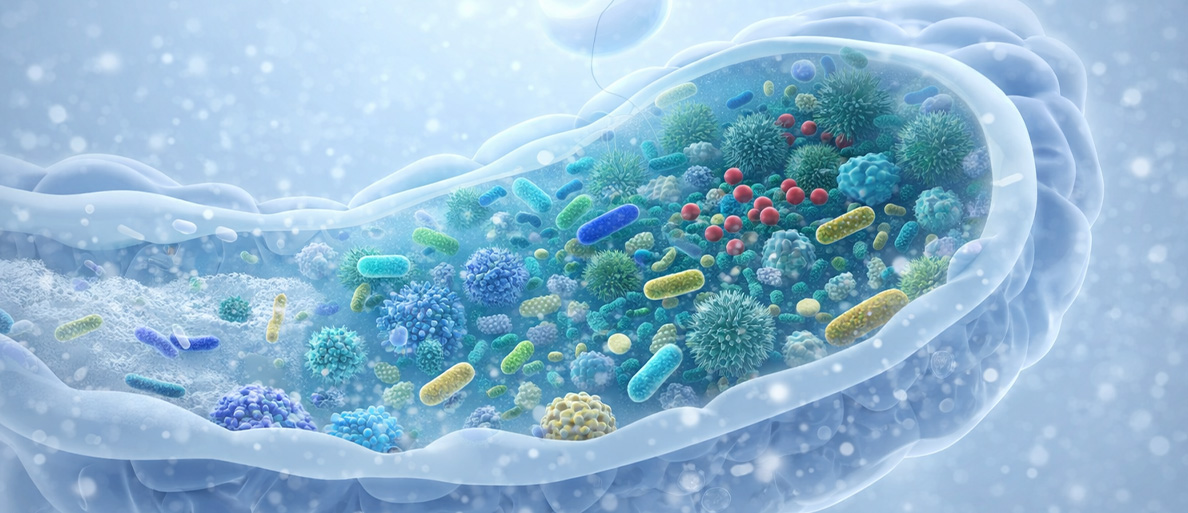
The important roles that these microbes play go beyond the gut and into the rest of the body. Gut microbiota often interacts with the human immune system to maintain tolerance and defense against pathogens in the body. The gut microbiota also supports the intestinal barrier, reducing inflammation and infection risk².
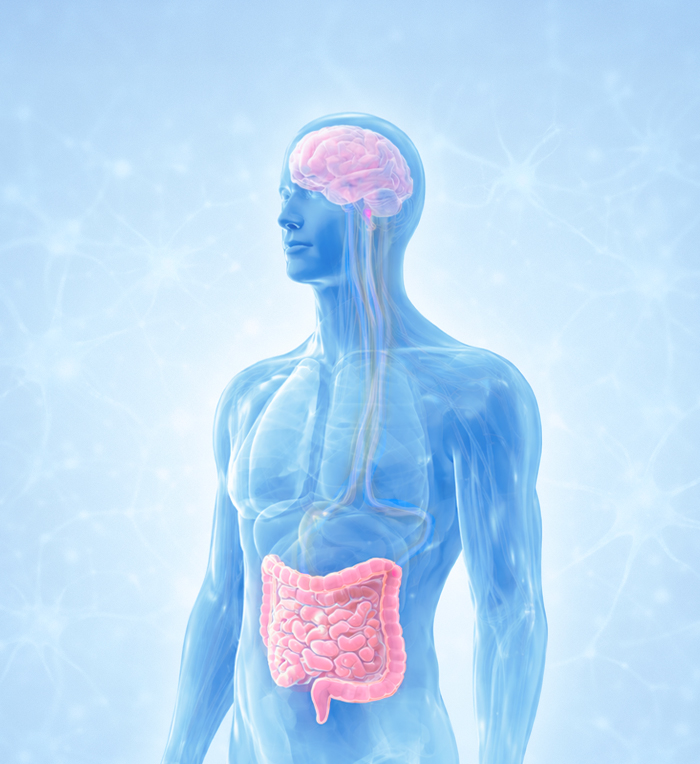
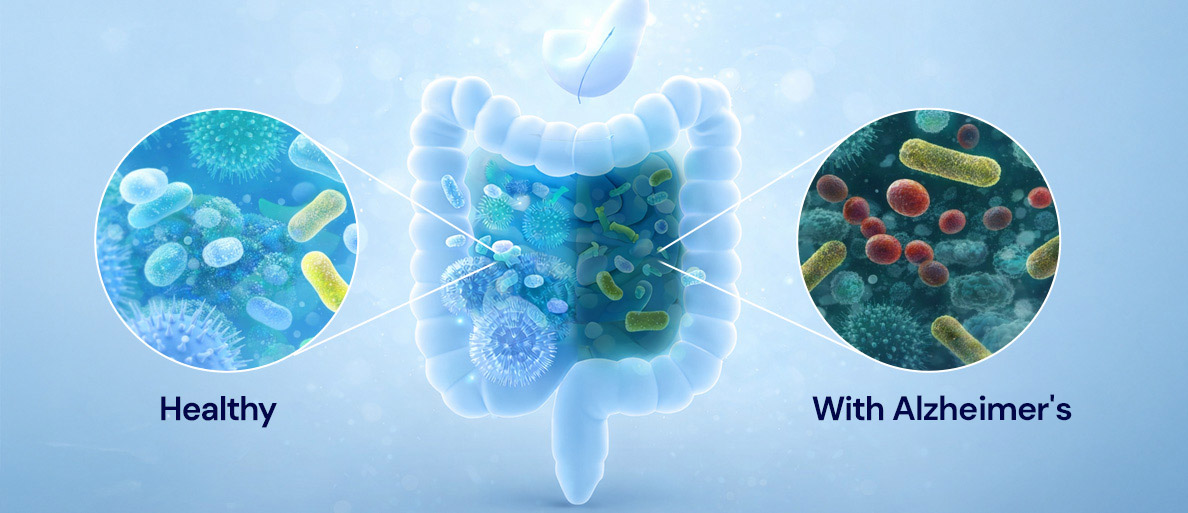
The gut continues its influence on the body up to the brain. The gut microbiota regulates brain health through the gut-brain axis, a communication system between the central nervous system and the gut, which makes neuronal, hormonal, and immune signaling pathways interconnected. This integral connection makes maintaining the gut microbiome essential for preserving and improving health³. Studies in humans have found that patients with Alzheimer’s demonstrate an altered gut microbiome composition compared to healthy individuals³.
Specifically, they have decreased microbial diversity. Their gut microbiome also shifts toward pro-inflammatory bacteria such as Escherichia and Shigella and away from anti-inflammatory bacteria such as Eubacterium4.
There is also a correlation between microglia and the gut microbiome. Microglia are specific immune cells in the brain that aid the brain in cleaning up waste, including harmful proteins like amyloid-beta proteins. These findings suggest a connection between the gut microbiome to Alzheimer’s since amyloid plaques are one of the primary causes of Alzheimer’s disease. Abnormal levels of amyloid-beta result in amyloid plaques, which disrupt neuron communication, causing Alzheimer’s disease 5. The microglia are used by the brain to clean up these amyloid proteins to prevent the development of plaques 6. The gut microbiome sends signals to the microglia to develop them and help them work properly 4. However, when the gut microbiome is disturbed, these signals are reduced, the microglia become less active and less efficient at cleaning amyloid-beta plaques 4.
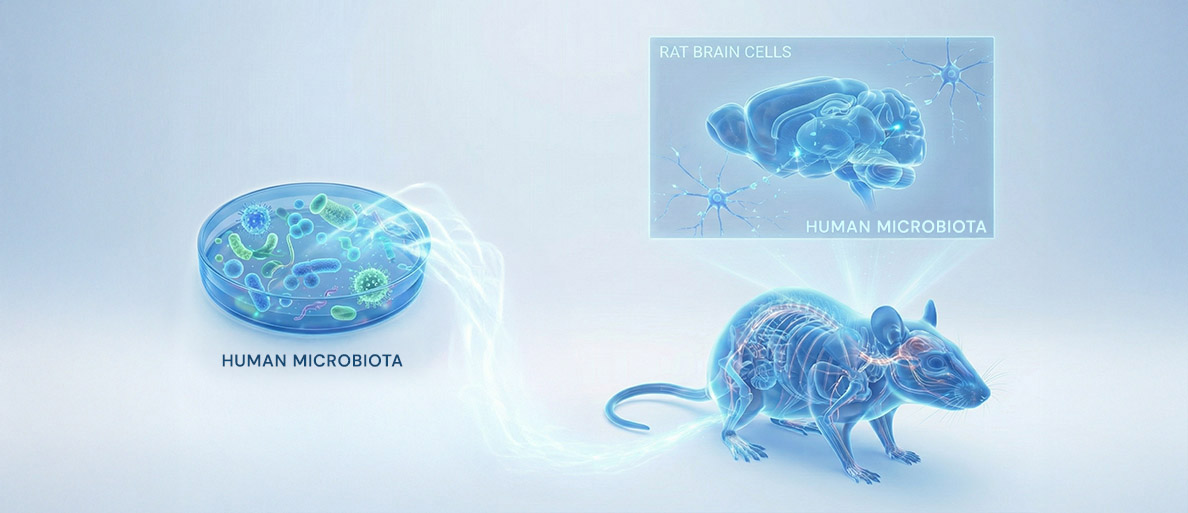
To further test whether the gut microbiota from Alzheimer’s patients truly induces deficits in cognition 7, transplanted fecal microbiota from Alzheimer’s patients into young adult rats that had been depleted of their own gut microbes. The rats developed memory deficits, including issues with spatial memory and pattern separation, which is similar to what is seen in Alzheimer’s patients. The rats also had reduced neuron generation, and the ones that were generated didn’t have a good survival rate. These changes in the rats’ brains connect the gut microbiota to Alzheimer’s pathogenesis.
So, how can we maintain a healthy gut microbiome to prevent all the issues that come with an unhealthy one? One of the most beneficial ways to improve the gut microbiome is by taking probiotics. Probiotics have been shown to modulate the gut microbiota, and, because of this, they have been used in disease management in numerous diseases, including Alzheimer’s disease 8. Prebiotics are also equally important to take because they act as food for the bacteria. While prebiotics come in supplement form, they can easily be added to your diet in the form of fruits and vegetables such as bananas, apples, and dandelion greens 9. Another means of introducing healthy bacteria into one’s gut microbiome is FMT (Fecal Microbiota Transplant). In contrast to the previous methods, this requires medical guidance. This allows for the healthy bacteria to then grow and improve the recipient’s gut microbiome. Regardless of the method you choose to improve your gut health, consulting a medical professional first is always recommended 4.
Ursell LK, Metcalf JL, Parfrey LW, Knight R. Defining the human microbiome. Nutrition Reviews [Internet]. 2012 Aug;70(1):S38–44. Available from: https://www.ncbi.nlm.nih.gov/pmc/articles/PMC3426293/
Jandhyala SM. Role of the Normal Gut Microbiota. World Journal of Gastroenterology [Internet]. 2015 Aug 7;21(29):8787. Available from: https://pmc.ncbi.nlm.nih.gov/articles/PMC4528021/
Peddinti V, Avaghade MM, Suthar SU, Rout B, Gomte SS, Agnihotri TG, et al. Gut instincts: Unveiling the connection between gut microbiota and Alzheimer’s disease. Clinical Nutrition ESPEN [Internet]. 2024 Feb 19;60:266–80. Available from: https://www.sciencedirect.com/science/article/abs/pii/S2405457724000433
Dong Oh Seo, Holtzman DM. Current understanding of the Alzheimer’s disease-associated microbiome and therapeutic strategies. Experimental & Molecular Medicine. 2024 Jan 4;56.
Ma C, Hong F, Yang S. Amyloidosis in Alzheimer’s Disease: Pathogeny, Etiology, and Related Therapeutic Directions. Molecules [Internet]. 2022 Feb 11;27(4):1210. Available from: https://www.mdpi.com/1420-3049/27/4/1210
Lee CYD, Landreth GE. The role of microglia in amyloid clearance from the AD brain. Journal of Neural Transmission. 2010 Jun 15;117(8):949–60.
Grabrucker S, Marizzoni M, Edina Silajdžić, Lopizzo N, Mombelli E, Nicolas S, et al. Microbiota from Alzheimer’s patients induce deficits in cognition and hippocampal neurogenesis. Brain. 2023 Oct 18;146(12).
Zhang S, Lu J, Jin Z, Xu H, Zhang D, Chen J, et al. Gut microbiota metabolites: potential therapeutic targets for Alzheimer’s disease? Frontiers in Pharmacology [Internet]. 2024 Sep 17;15. Available from: https://pmc.ncbi.nlm.nih.gov/articles/PMC11442227/#s6
Semeco A. The 20 Best Prebiotic Foods You Should Eat [Internet]. Healthline. Healthline Media; 2023 [cited 2025 Aug 5]. Available from: https://www.healthline.com/nutrition/19-best-prebiotic-foods#dandelion-greens